Energy Islands and Europe’s Energy System – The Path Towards a Common European Supergrid
For decades, Europe’s energy system has been built around national power systems, connected by an increasing number of cross-border interconnectors. This structure has strengthened market integration and security of supply, but it is now approaching its structural limits.
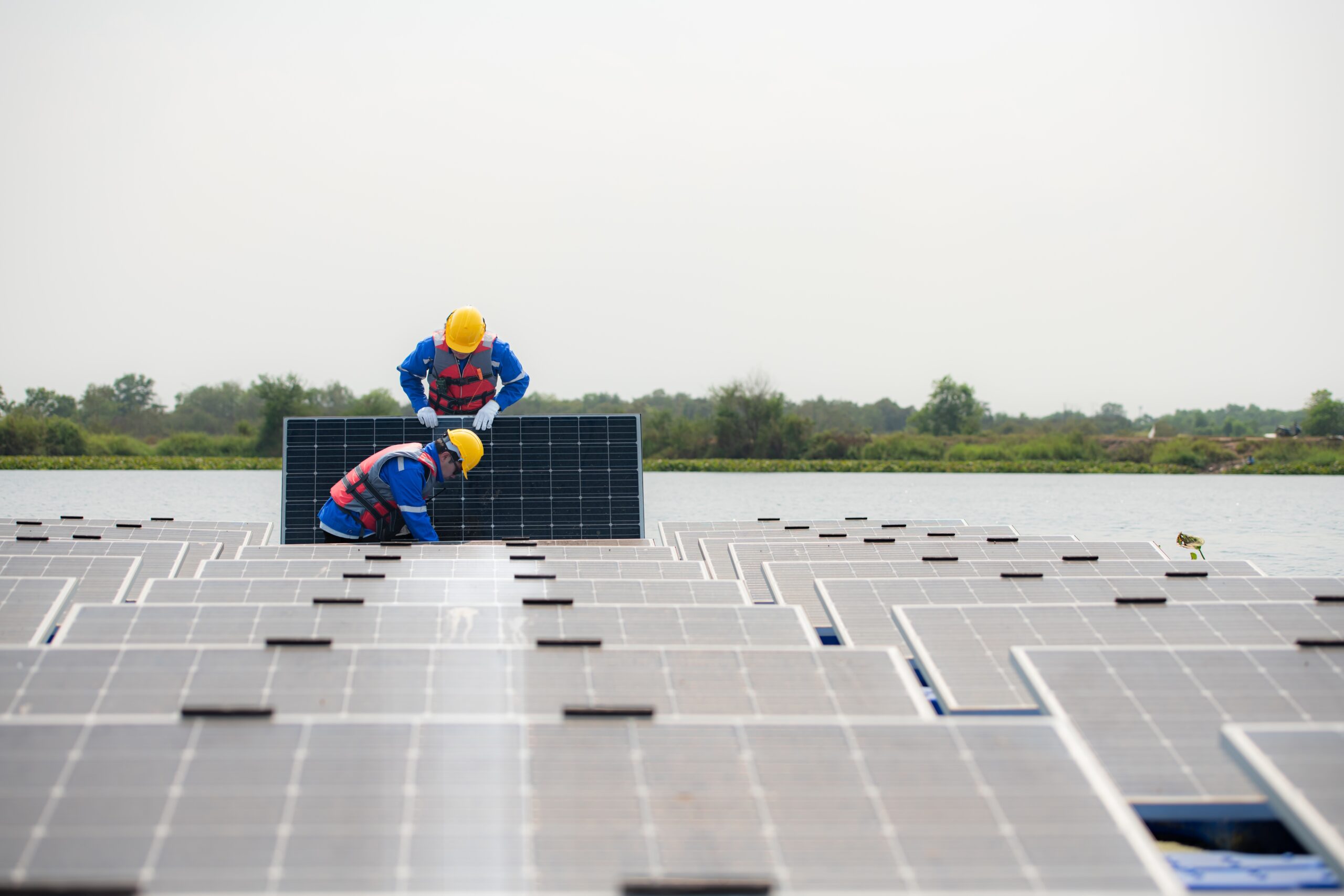
With the rapid expansion of offshore wind and accelerating electrification, the character of the energy system is changing. Energy production is moving offshore, power flows are becoming more dynamic, and the need for coherent energy infrastructure across national borders is becoming increasingly evident.
In this context, energy islands are not just another infrastructure element. They are a key building block in the development of a common European energy system – a true supergrid.
From National Grids to a Common Energy System
Historically, Europe’s energy system has been based on national electricity grids with limited interconnection. This approach worked in an energy landscape dominated by fossil generation, where energy security was largely a national responsibility.
As offshore wind and other renewable energy sources expand, this model is no longer sufficient. Without stronger interconnection, Europe risks maintaining a reliance on fossil backup solutions and external energy supplies to ensure system stability.
A more integrated European energy system makes it possible to utilise renewable energy where it is produced and distribute it to where demand is highest. This reduces the need for fossil fuels and strengthens Europe’s energy independence.
Energy Islands as the Link Between Markets and Systems
Energy islands act as central hubs within the energy infrastructure, connecting:
- large offshore wind production areas
- multiple national electricity systems
- different energy markets
When offshore wind generation is collected offshore and distributed regionally, the energy system becomes more flexible and resilient. This enables:
- improved utilisation of renewable energy
- reduced price differences between markets
- strengthened security of supply across borders
Energy islands are therefore not just technical installations, but system hubs that connect production, transmission, and markets.
Supergrid as Strategic Infrastructure
The development of a European supergrid is not only about efficiency and lower electricity prices. It is equally about strategic energy infrastructure.
A connected energy system based on offshore wind, high-voltage installations, and HVDC infrastructure reduces Europe’s vulnerability to disruptions in external energy supplies. As a larger share of energy is produced and exchanged within Europe, dependence on fossil fuels and imported energy sources is reduced.
Energy islands are a concrete step in this direction. They form a key part of the foundation for a more self-reliant European energy system, where security of supply, resilience, and flexibility are addressed collectively across national borders.
Bornholm Energy Island as a Regional Hub
Bornholm Energy Island is a practical example of how energy islands can be integrated into the European energy system. The project collects offshore wind generation in the Baltic Sea and connects it to both Denmark and Germany through a shared energy infrastructure.
Bornholm functions as:
- a regional hub in the Baltic energy system
- a platform for future connections to additional markets
- a reference project for coordinated European planning and operation
The project illustrates how energy islands can support market integration, energy independence, and system stability in practice.
Market Integration, Security of Supply, and System Resilience
A more integrated energy system is not only about electricity trading. It is equally about operational stability and resilience.
When energy infrastructure is better interconnected:
- the risk of local bottlenecks is reduced
- production fluctuations can be managed more effectively
- security of supply is strengthened across regions
Energy islands therefore contribute to both economic efficiency and a more robust European energy system.
An Energy System Built for Cooperation and Scale
Europe’s future energy system will be defined by cooperation across borders and technologies. Energy islands support this development by enabling shared infrastructure solutions that can be scaled as demand and technology evolve.
They are not a future vision, but a necessary part of the energy infrastructure required to ensure that Europe’s energy system can operate reliably, efficiently, and independently in the decades ahead.
About Sirius Energy
Sirius Energy is a Danish consultancy specialising in energy infrastructure, high-voltage installations, offshore wind, HVDC, system integration, commissioning, and site management.
We contribute to complex energy projects across Europe and work close to installation, commissioning, and operation of critical energy infrastructure.